
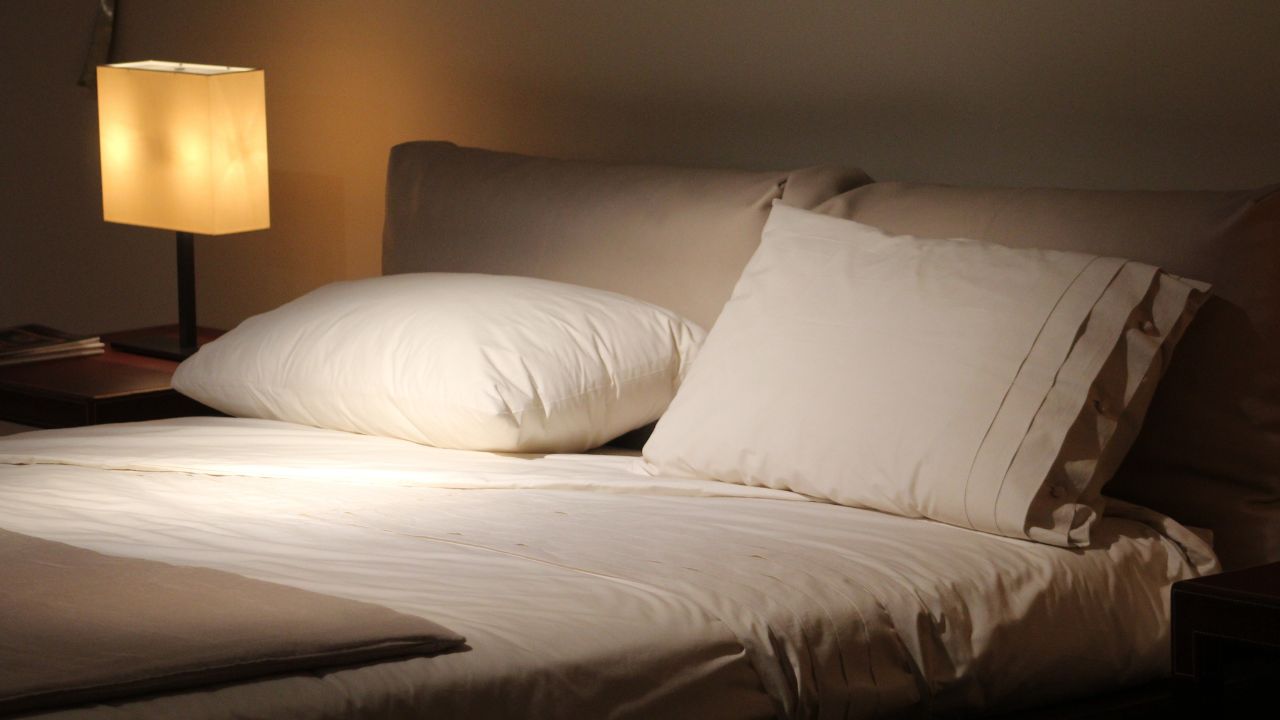
You can deep clean your mattress at home without a vacuum, extractor, or a steamer — and you probably should, because most people never do it. Here’s a straightforward, step-by-step guide to getting your mattress genuinely clean using items you already have at home, plus an honest look at when a professional clean makes more sense.
TL;DR
- Most Filipino mattresses haven’t been cleaned since they were bought — and they show it (even when they don’t look it).
- You don’t need an extractor or vacuum to do a solid DIY deep clean — baking soda, dish soap, and sunlight do most of the heavy lifting.
- Foam mattresses are the most common in the Philippines and need special care — no soaking, ever.
- Stains need to be treated differently depending on type: sweat, urine, and blood each have their own method.
- A full DIY deep clean takes about 4–6 hours, most of which is drying time.
- Professional mattress cleaning costs ₱1,000–₱2,000 and includes steam disinfection that kills dust mites — something DIY can’t fully replicate.
➡️ Read Our Ultimate Deep Cleaning Guide to Help You Clean Your Home Effectively
Why Your Mattress Needs More Than Just a Sheet Change
Fresh sheets feel clean. But your sheets are just the surface — everything that passes through them ends up in your mattress.
Sweat, dead skin cells, body oils, pet dander, dust mites, and the occasional spill all work their way into the foam or springs over time. You can’t see most of it. But it’s there, and it accumulates fast.
📊 Stat Block According to a study published in the Journal of Allergy and Clinical Immunology, the average mattress harbors between 100,000 and 10 million dust mites at any given time. In the Philippines — where indoor humidity in Metro Manila regularly sits between 72–85% — mite populations thrive even faster than in temperate climates. Dust mites are one of the leading triggers for allergic rhinitis, which affects an estimated 3 in 10 Filipinos according to the Philippine Society of Otolaryngology Head and Neck Surgery.
A deep clean isn’t just about freshness. For anyone in your household who sneezes in the morning, wakes up with itchy eyes, or has asthma — your mattress could be part of the problem.
Before You Start: Know Your Mattress Type
The cleaning method depends on what your mattress is made of. Getting this wrong can cause permanent damage.
Common mattress types in Philippine homes:
- Foam mattress (uratex-style) — The most common. Cannot be soaked or fully wet. Moisture trapped inside foam causes mold. Clean the surface only.
- Spring / bonnell mattress — More forgiving with moisture, but the fabric cover still needs to dry completely.
- Memory foam — Most sensitive. No liquid cleaners sprayed directly onto the surface; use a damp cloth only.
- Latex mattress — Can handle mild cleaning but degrades with harsh chemicals. Avoid bleach entirely.
For all types: never soak your mattress. The goal is to clean the surface, treat stains, and dry thoroughly — not to drench the material.
What You'll Need
- Baking Soda (1-2 Boxes)
- Dish Soap (e.g. Joy or Domex)
- White Vinegar (250ml)
- Hydrogen Peroxide (optional, only for blood stains)
- Spray Bottle
- Clean Microfiber Cloths or White Rags
- Soft-Bristle Brush or Old Toothbrush
Most of these are already in your kitchen or bathroom.
📊 Stat Block A 2022 consumer survey by Statista found that only 18% of Southeast Asian homeowners deep clean their mattress at least once a year. The other 82% either never do it or only replace their sheets. Given that the average Filipino spends roughly 7–8 hours a night on their mattress, this is one of the most-used — and least-cleaned — surfaces in any home.
Step-by-Step: How to Deep Clean a Mattress at Home (No Extractor or Steamer Needed)
Step 1: Strip the bed and wash everything fabric
Remove all sheets, pillowcases, mattress protectors, and covers. Wash them immediately in the hottest water setting your washing machine allows — heat kills dust mites. While they’re washing, you’ll work on the mattress itself.
Step 2: Air out the mattress
If you can move it, lean the mattress against a wall near an open window or — even better — bring it outside into indirect sunlight. UV light naturally kills surface bacteria and mold spores. Even 30 minutes of airing out makes a difference. If moving it isn’t possible, open all windows in the room and turn on a fan.
Step 3: Treat stains first (before anything else)
Stains need to be addressed before you apply any general cleaning solution — otherwise you risk spreading them or setting them deeper. Match the treatment to the stain type:
Sweat / yellowing (the most common): Mix 1 cup warm water + 1 tablespoon dish soap + 2 tablespoons white vinegar in a spray bottle. Lightly mist the stained area — don’t saturate. Let it sit for 5 minutes, then blot (never rub) with a clean microfiber cloth. Repeat as needed.
Urine stains: Blot up as much liquid as possible first with dry cloths. Then spray with undiluted white vinegar and let sit for 10 minutes. Blot dry. Sprinkle baking soda generously over the area and let it sit for at least 1 hour before brushing off.
Blood stains: Use cold water only — never hot (heat sets blood stains permanently). Mix 1 tablespoon dish soap with cold water. Apply with a cloth and blot gently. For stubborn blood stains, dab a small amount of 3% hydrogen peroxide directly onto the stain, let it fizz for 2–3 minutes, then blot clean.
Mold or mildew spots: Mix equal parts white vinegar and water in a spray bottle. Lightly spray the affected area, let sit for 10 minutes, then blot dry. Allow the mattress to air out completely before making the bed. If the mold covers a large area or has penetrated deeply into the foam, a professional clean is the safer choice.
📊 Stat Block According to PAGASA data, the rainy season in the Philippines runs from June to November — six months of elevated indoor humidity. During this period, mattresses in non-airconditioned rooms are particularly susceptible to mold and mildew growth if they're not dried properly after any wet cleaning. This is why complete drying is the most important step of the entire process.
Step 4: Apply baking soda all over the surface
Once stains are treated and dry, sprinkle a generous, even layer of baking soda across the entire top surface of the mattress. Baking soda absorbs lingering odors, residual moisture, and surface grime.
Let it sit for a minimum of 1 hour — but if you can leave it for 4–6 hours or even overnight, you’ll get a noticeably better result. The longer it sits, the more it absorbs.
Step 5: Brush off the baking soda
Use a soft-bristle brush to sweep the baking soda off the mattress surface. Work in one direction and collect it with a dustpan, or wipe off with a dry microfiber cloth. If you have a vacuum, now’s the time to use the upholstery attachment — but it’s not required.
Step 6: Spot-clean the sides and edges
The sides of your mattress are almost always forgotten. Using a clean damp cloth with a small amount of dish soap solution, wipe down all four sides. Blot dry afterward.
Step 7: Dry completely before remaking the bed
This is the most important step — and the one most people rush.
Place the mattress in a well-ventilated area, ideally with a fan blowing across it. If it’s a sunny day, direct sunlight on the surface for 1–2 hours is ideal. Do not put sheets back on until the mattress is completely dry to the touch on all surfaces. In Metro Manila’s humidity, this typically takes 3–6 hours.
Making the bed while the mattress is still slightly damp is the number one cause of mold developing inside foam mattresses.
📊 Stat Block The Department of Health Philippines identifies house dust mites and indoor mold as two of the top five environmental triggers for pediatric asthma in the country. Regular mattress cleaning — at minimum every 3–6 months — is one of the simplest and most effective ways to reduce indoor allergen load for families with children.
When to Skip DIY and Call a Professional
The DIY method handles maintenance cleaning well. But there are situations where it genuinely isn’t enough:
- Mold that’s spread beyond the surface — once mold penetrates foam, it can’t be fully removed with surface cleaning
- Strong, persistent urine odor — especially with pets or young children; this requires enzymatic treatment and extraction
- Mattress hasn’t been cleaned in over a year — the buildup of dust mites and allergens needs steam disinfection to address properly
- Someone in the household has allergies or asthma — steam cleaning kills mites that baking soda and vinegar can’t
What Professional Mattress Cleaning Includes
At Tita Kleans, our mattress cleaning process uses a spray extractor to inject quick-dry cleaning solution deep into the mattress surface, scrub out embedded stains, extract all liquid along with the loosened dirt, and finish with high-temperature steam disinfection. An industrial dryer brings drying time down to 1-2 hours.
| Mattress Size | Tita Kleans Price |
|---|---|
| Single | ₱1,000 |
| Double | ₱1,250 |
| Queen | ₱1,500 |
| King | ₱2,000 |
Disclaimer: The rates listed above are add-on rates for our Upholstery Cleaning Service only and are not yet final. A base rate of ₱2,000 applies to cover team assembly, on top of the rate for the mattress size being cleaned. This base rate is waived if the Upholstery Cleaning Service is bundled with any other service.
Frequently Asked Questions
How often should I deep clean my mattress in the Philippines?
Every 3–6 months is ideal for most Filipino households, with the DIY method used for regular maintenance and a professional clean at least once a year. If you have pets, young children, or a family member with allergies or asthma, a professional clean every quarter makes a real difference. At minimum: flip or rotate your mattress every 3 months and air it out monthly.
Can I deep clean a foam mattress without soaking it?
Yes — and you should. Foam mattresses should never be soaked or heavily saturated with liquid. The DIY method described here uses minimal moisture: a light mist on stained areas, baking soda for odors, and careful blotting. The key rule is that the mattress must be completely dry before any sheets go back on. Moisture trapped inside foam causes mold within 24–48 hours.
How do I remove yellow stains from a mattress?
Yellow stains are almost always sweat and body oil buildup — completely normal, just not talked about enough. Mix warm water, a small amount of dish soap, and white vinegar in a spray bottle. Lightly mist the area, wait 5 minutes, and blot firmly with a clean cloth. For older, deeper yellow stains, repeat the process twice and finish with a baking soda application. Very old set-in yellowing may need professional extraction.
Is professional mattress cleaning safe if I have young kids or pets?
Yes — at Tita Kleans, all our cleaning solutions are eco-friendly and pet-safe, with no harsh chemical residue left behind. Our steam disinfection step is chemical-free — it uses high-temperature steam to kill bacteria, dust mites, and allergens. For households with babies, toddlers, or pets, professional cleaning is actually the safer option compared to store-bought chemical sprays applied directly to sleeping surfaces.
You spend a third of your life on your mattress. It makes sense to actually clean it.
Whether you go the DIY route today or book a professional clean, the most important thing is that you do it regularly — your sleep quality, your allergies, and honestly your whole household’s health will feel the difference.
👉 Book a Cleaning with Tita Kleans → We serve residential clients across Metro Manila and nearby areas. Besides upholster cleaning, we also provide deep cleaning services and post construction cleaning services. Message us today to get a free quote.
Other Related Articles:
About the Author
Paolo T. is a Filipino entrepreneur who offers residential and commercial cleaning company based in the Philippines. Our team specializes in professional upholstery cleaning, deep cleaning, post-construction cleanup, and recurring home maintenance — using commercial-grade Kärcher equipment and eco-friendly, pet-safe solutions. We’ve helped hundreds of households and small businesses get their spaces genuinely clean, not just presentable.