If you’ve ever cleaned your house all day… and it still didn’t feel fully clean, this guide is for you.
Maybe the floors look fine. The counters are wiped. The trash is out.
But there’s still something off.
That “something” is usually what we call deep cleaning.
This is your complete, step-by-step deep cleaning guide. By the time you finish reading, you’ll know:
- What deep cleaning really means
- What is included in deep cleaning
- Why deep cleaning is important
- When you should do it
- And when it’s smarter to call professionals like Tita Kleans
Let’s start from the beginning.
What Is Deep Cleaning in Housekeeping?
Commonly offered by residential cleaning services in Metro Manila, deep cleaning in housekeeping goes far beyond daily or weekly cleaning.
Regular cleaning keeps things looking tidy.
Deep cleaning removes the dirt you don’t see.
Think of it like this:
Regular cleaning = wiping surfaces, sweeping floors, taking out trash
Deep cleaning = scrubbing buildup, removing hidden dust, sanitizing neglected areas
Deep cleaning focuses on:
- Hard-to-reach corners
- Grime buildup
- Stains
- Bacteria and allergens
- Areas that are often skipped
It’s the difference between “looks clean” and “truly clean.”
If regular cleaning is brushing your teeth…
Deep cleaning is going to the dentist.
You don’t do it every day, but when you do, it makes a huge difference.
What Is Included in Deep Cleaning?
This is one of the most common questions homeowners ask.
Let’s walk through it room by room so it’s clear and practical.
Kitchen Deep Cleaning
The kitchen collects grease, crumbs, and bacteria quickly.
A proper deep cleaning guide for kitchens includes:
- Degreasing backsplash and walls
- Scrubbing stovetop burners and knobs
- Cleaning inside the oven
- Cleaning inside and behind the refrigerator
- Removing cabinet buildup
- Sanitizing sink and drain
- Wiping inside drawers
- Cleaning under appliances
- Scrubbing grout between tiles
Grease is sticky. It traps dust. Over time, it forms a thin film you may not notice until you wipe it.
Deep cleaning removes that film completely.
Bathroom Deep Cleaning
Bathrooms hold moisture. Moisture leads to mold and bacteria.
Deep cleaning includes:
- Scrubbing tile grout
- Removing soap scum from glass
- Descaling showerheads
- Disinfecting toilet base and behind it
- Cleaning under sinks
- Scrubbing drains
- Removing mold from corners
- Cleaning exhaust vents
Regular cleaning wipes surfaces.
Deep cleaning restores surfaces.
There’s a big difference.
Living Room Deep Cleaning
This is where dust quietly builds up.
Included:
- Vacuuming under sofas
- Steam cleaning upholstery
- Cleaning behind TV stands
- Dusting ceiling fans
- Wiping baseboards
- Cleaning light fixtures
- Removing cobwebs from corners
- Cleaning curtains or blinds
Soft surfaces hold dust and allergens. You may not see them, but your nose will feel them.
Bedroom Deep Cleaning
Bedrooms should feel restful.
Deep cleaning includes:
- Vacuuming mattress
- Rotating mattress
- Cleaning under the bed
- Wiping headboards
- Dusting shelves
- Cleaning inside closets
- Washing curtains
- Sanitizing door handles
Under-bed dust is real. So is closet dust.
Deep cleaning clears it out.
Deep Cleaning Floors, Surfaces, Walls, and Ceilings
Across the entire home, these areas quietly collect dust, stains, and buildup. You may not notice it day to day, but over time, it shows.
A true deep cleaning guide includes detailed work in these areas:
- Scrubbing grout lines to remove dark stains and trapped dirt
- Polishing tiles to restore shine and remove cloudy residue
- Deep mopping floors with proper disinfectant, not just surface wiping
- Removing scuff marks from walls and flooring
- Cleaning baseboards, where dust settles and sticks
- Spot cleaning walls to remove fingerprints, smudges, and splash marks
- Dusting ceiling corners and removing cobwebs
- Cleaning air vents and ceiling fans, which circulate dust back into the room
- Remove smudges from walls, doors, and light switches
Methods of Deep Cleaning
Knowing what is included in deep cleaning is important.
But understanding the methods used is what helps you do it properly.
Deep cleaning is not just “cleaning harder.” It uses specific techniques designed to remove buildup, bacteria, and hidden dirt.
Here are the main methods used in a proper deep cleaning guide:
1. Manual Scrubbing
This is the most common and most physical method.
It involves:
- Using stiff brushes for grout
- Scrubbing tile lines by hand
- Removing grease buildup with degreasers
- Cleaning corners and tight spaces
Why it matters:
Some dirt bonds to surfaces over time. Mopping alone won’t remove it. Scrubbing breaks that bond.
Grout, stovetops, and bathroom tiles usually require this method.
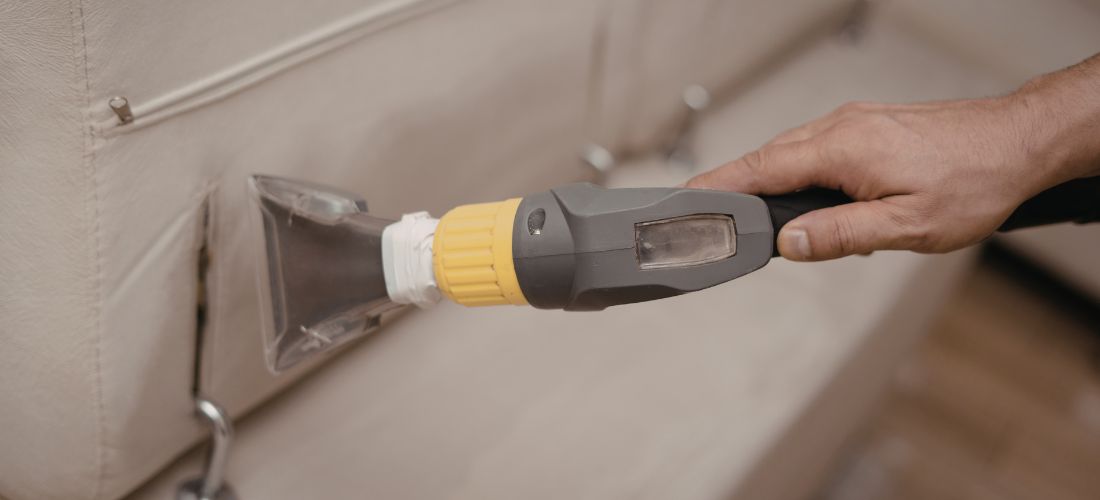
2. Steam Cleaning
Steam uses high heat to loosen dirt and kill bacteria without harsh chemicals.
It’s commonly used for:
- Tile and grout
- Upholstery
- Mattresses
- Curtains
- Bathroom surfaces
Why it matters:
Heat penetrates deeper than surface cleaners. It sanitizes while lifting hidden grime.
This is especially helpful for homes with kids, pets, or allergy concerns.
3. Degreasing
Kitchens collect layers of invisible grease.
Degreasing involves:
- Applying a specialized cleaner
- Letting it sit (dwell time)
- Wiping or scrubbing away residue
Why it matters:
Grease traps dust. If not removed properly, surfaces feel sticky and dull.
This method is essential for cabinets, range hoods, and backsplashes.
4. Disinfection and Sanitizing
Cleaning removes dirt.
Disinfecting removes bacteria and viruses.
Deep cleaning includes:
- Treating high-touch areas
- Using proper dilution ratios
- Allowing disinfectants to sit before wiping
Why it matters:
Spray-and-wipe doesn’t always disinfect. Products need time to work.
5. Extraction (For Fabrics and Carpets)
For soft surfaces like:
- Carpets
- Sofas
- Mattresses
Deep cleaning may involve extraction machines that pull dirt out from inside the fibers.
Why it matters:
Vacuuming only removes surface dust. Extraction removes what’s buried deeper.
6. Detail Cleaning (Precision Work)
This is what separates regular cleaning from deep cleaning.
It includes:
- Cleaning behind appliances
- Reaching behind toilets
- Cleaning under heavy furniture
- Dusting vents and ceiling edges
Why it matters:
These areas are rarely touched during routine cleaning. Over time, they collect serious buildup.
Step-by-Step Deep Cleaning Guide
Let’s make this practical.
Here’s how to approach deep cleaning without feeling overwhelmed.
Step 1: Declutter First
Don’t clean around clutter.
Remove items from surfaces.
Empty drawers.
Clear floors.
Cleaning becomes faster and more effective.
Step 2: Start Top to Bottom
Always clean:
- Ceiling fans
- Light fixtures
- Walls
- Furniture
- Floors
If you start with floors, dust will fall back down.
Work smarter.
Step 3: Focus on Hidden Zones
Ask yourself:
- When was the last time I cleaned behind the fridge?
- Under the couch?
- Inside cabinets?
Those are deep cleaning zones.
Step 4: Use the Right Tools
Deep cleaning often requires:
- Steam cleaners
- Heavy-duty degreasers
- Grout brushes
- Vacuum with HEPA filter
- Microfiber cloths
Basic tools won’t always remove buildup.
Step 5: Work Room by Room
Avoid jumping around.
Finish one room completely.
It prevents burnout.
Frequently Asked Questions About Deep Cleaning
Is deep cleaning different from general cleaning?
Yes, it is very different. General cleaning focuses on maintaining a tidy home, wiping surfaces, sweeping floors, and organizing clutter. Deep cleaning goes further. It removes buildup, hidden dust, bacteria, and grime in areas that are often skipped during routine cleaning. Think of general cleaning as maintenance, while deep cleaning is a full reset.
When do homeowners need a deep cleaning guide?
Homeowners usually need a deep cleaning when regular cleaning no longer feels enough. Signs include dark grout lines, sticky kitchen cabinets, musty smells, worsening allergies, or visible buildup in bathrooms. It is also needed before moving in, moving out, hosting guests, after renovations, or during major life events. If it has been more than three to six months since your last deep clean, it may be time.
Why is deep cleaning important?
Deep cleaning improves both health and comfort. It removes allergens like dust mites and pet dander, reduces bacteria in high-touch areas, and helps prevent mold growth in damp spaces. It also protects surfaces from long-term damage caused by grease and grime. Most importantly, it makes the home feel lighter, fresher, and more peaceful.
What are common deep cleaning mistakes homeowners make?
Many homeowners rush the process or skip hidden areas. Simply mopping instead of scrubbing grout, wiping instead of degreasing, or dusting without sanitizing high-touch surfaces results in surface-level cleaning only. Another mistake is mixing cleaning chemicals, which can be dangerous. Deep cleaning requires proper tools, patience, and the right techniques.
How often should I deep clean my home?
Most homes should be deep cleaned every three to six months. Homes with pets, children, or heavy foot traffic may need it more often. If someone in the home has allergies, more frequent deep cleaning can help improve air quality. After renovations, an immediate deep clean is strongly recommended.
Is steam cleaning part of deep cleaning?
Yes, steam cleaning is often part of deep cleaning. Steam uses high heat to loosen dirt and kill bacteria without relying heavily on chemicals. It is commonly used on tiles, grout, upholstery, mattresses, and bathroom surfaces. Steam can reach deeper into surfaces than regular wiping or mopping.
Is deep cleaning safe for kids and pets?
Deep cleaning can be safe for kids and pets when done properly. Proper ventilation is important, and surfaces should be fully dried before children or pets return to the area. Using the correct cleaning products and methods also makes a big difference. Professional cleaners are trained to use products safely and effectively.
How long does deep cleaning take?
The time depends on the size and condition of the home. A small apartment may take several hours, while a larger home can take most of the day. Homes with heavy buildup or post-construction dust may take even longer. The more detailed the cleaning, the more time it requires.
Does deep cleaning include inside appliances?
Yes, deep cleaning often includes cleaning inside appliances such as ovens, refrigerators, and microwaves. These areas collect grease, spills, and food residue that are not addressed during routine cleaning. Always confirm the checklist if hiring professionals to ensure appliance interiors are included.
What’s the hardest part of deep cleaning?
For most homeowners, the hardest part is the physical effort and time required. Moving furniture, scrubbing grout, removing grease buildup, and cleaning high or tight spaces can be exhausting. Staying consistent and thorough is challenging, which is why many homeowners eventually decide to hire professionals.
When should I hire professional deep cleaners like Tita Kleans?
You should consider hiring professionals when the job feels overwhelming, physically demanding, or too time-consuming. Post-construction dust, heavy grease buildup, mold concerns, or preparing for a major event are strong reasons to bring in experts. Professional cleaners use commercial-grade equipment, proper sanitation methods, and systematic checklists to ensure no area is missed. If you want a full home reset without spending days doing it yourself, hiring professionals like Tita Kleans can ensure thorough and reliable results.
What cleaning solutions should I use for deep cleaning?
Yes, a regular cleaning schedule definitely helps. Having consistent cleaning routines prevents heavy buildup from forming in the first place. When you wipe kitchen surfaces daily, vacuum weekly, and clean bathrooms regularly, dirt does not have time to harden or settle deep into grout and corners. This means your deep cleaning sessions will take less time and feel less overwhelming. Regular cleaning does not replace deep cleaning, but it makes it easier and less intense when the time comes.
Ready to hand over the deep cleaning and finally get it done thoroughly?
Deep cleaning takes serious time and energy. It means moving furniture, scrubbing stubborn grout, reaching high corners, and spending hours on details most homeowners simply don’t have time for. Even with a full deep cleaning guide, the physical work can be exhausting.
That’s when it makes sense to hire Professional Deep Cleaning Services.
Instead of spending your weekend scrubbing and lifting, you can have trained cleaners handle the heavy work using proper equipment, safe sanitation methods, and a systematic checklist that ensures nothing gets missed. From behind appliances to baseboards and grout lines, every hidden area gets attention.
At Tita Kleans, deep cleaning isn’t rushed. We don’t just spot clean visible areas. It’s done carefully and thoroughly so your home doesn’t just look clean, it feels completely refreshed.
Because when a home is deeply cleaned the right way, you can feel the difference.
The air feels lighter.
The surfaces feel smoother.
The space feels calmer.
If your home is ready for that kind of reset, it may be time to hire the right team for effective deep cleaning and let the experts take care of it.